Build
THE DEVELOPERS, OWNERS, AND INDUSTRIES ORGANIZING DEMAND AT SCALE
Many Industrialized Construction Project Fail. Understand How to Succeed.
Most IC projects don’t fail because the idea is wrong. They fail because the system wasn’t changed.
THE TRAP
Most IC Projects Fail for the Same Reason
They’re treated as a procurement decision instead of a system transformation.
You cannot “buy” Industrialized Construction.
You have to operate differently to make it work.
WHAT ACTUALLY GOES WRONG
Across projects, the pattern of the failures is consistent:
Industrialization is introduced late in design
Suppliers are selected like traditional contractors
No repeatable product is defined
Financing and contracts assume site-built risk
THE RESULT
Delays, cost overruns, and supplier conflict result is a loss of confidence and the wrong conclusion:
“Industrial Construction doesn’t work.”
What it actually takes - “The 4 Key Shifts”
Industrial Construction requires four shifts:
Demand Aggregation
Pipeline, Not Projects
Factories require consistent throughput. One-off projects do not justify manufacturing investment.
versus
Still driven by site sequencing
Early
System Lock
Design for Manufacture
Design must be constrained by manufacturing—not adapted after the fact.
versus
No repeatable
product
Supply Chain Alignment
Fulfillment In Mind
You are no longer coordinating trades. You are coordinating production systems.
versus
No aggregated contracting
Design independent from manufacturing
Risk Adjusted
Financing
Source Products
Traditional financing assumes site-based risk. Industrialization isolates risk in product procurement cycles.
versus
What Success Looks Like
When done correctly:
Projects move from months to weeks in execution windows
Cost becomes predictable and controllable
Quality becomes repeatable
Performance improves over time
Failed attempts consistently trace back to undercapitalization, lack of standardization, or poor system design
The shift is not incremental. It’s structural.
Reality Check
Most organizations underestimate what this transition requires.
It changes procurement
It changes design
It changes financing
It changes who wins and loses in the value chain
If you approach Industrialization like a traditional project—you will fail.
The Build Series
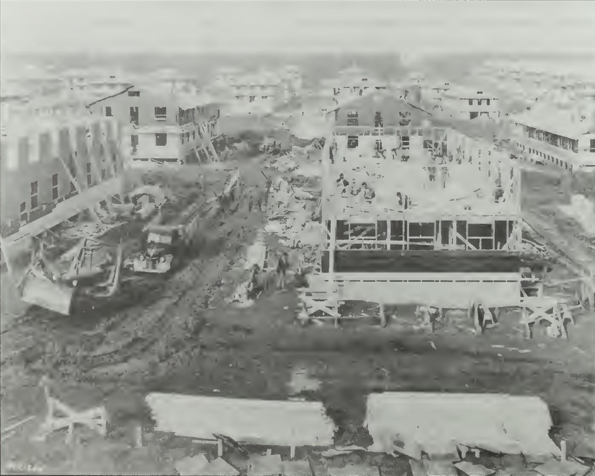
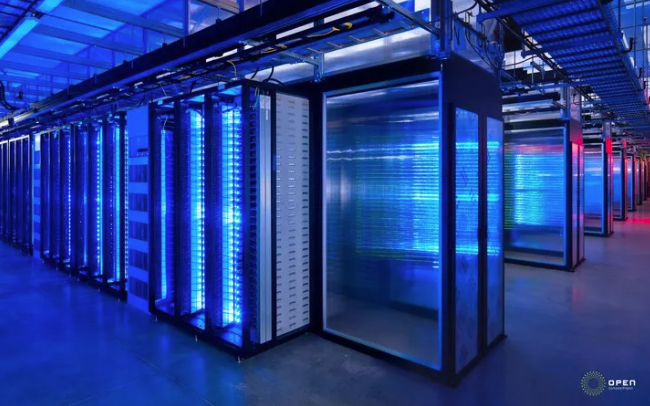
Case evidence from the Model T, the Military, homebuilders, and hyperscalers, with a Build Playbook highlighting learnings and a Demand Signal Test diagnostic that any buyer can run against their own programs today.
Sign up below:
Understand whether your organization is actually set up to do it.
Build - Recent Stories from the Front Lines